Construction Technology
Aluminium Formwork vs Conventional Formwork: Which Is Better?
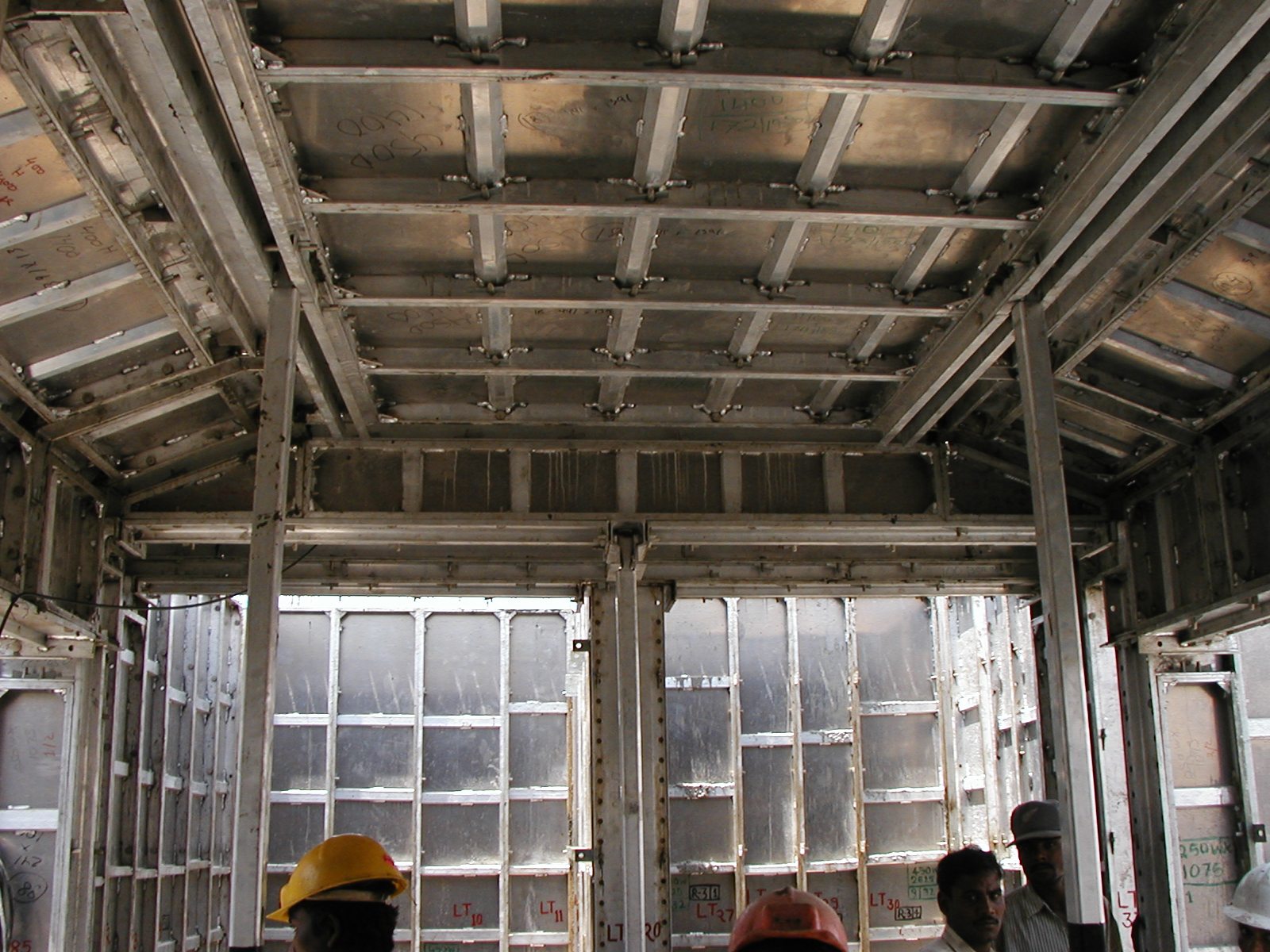
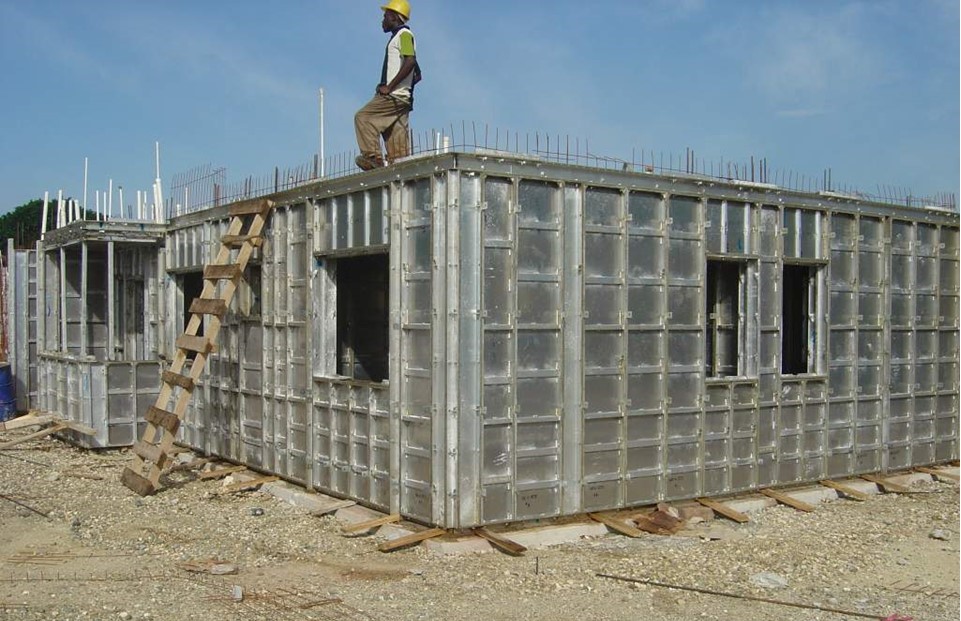
Conventional shuttering — plywood with timber or steel supports — is forgiving and familiar, but slow. Aluminium formwork, by contrast, is purpose-engineered for repetitive cycles and monolithic pours.
On a typical high-rise floor cycle, an aluminium system enables walls, columns, beams and slabs to be cast together. Cycle times shorten significantly, finish quality is more consistent, and the dependency on skilled carpentry is reduced.
Aluminium does require an upfront design commitment — shell drawings, shop drawings, and a project-specific component list. That investment pays back across repeated floors and across projects, especially when the same set of panels is refurbished and redeployed.
The honest answer: aluminium formwork wins for repetitive, monolithic, schedule-driven work. Conventional shuttering still has a place for one-off, low-rise, or highly irregular work where reuse economics do not apply.
Need aluminium formwork for your next project? Contact Morficon.